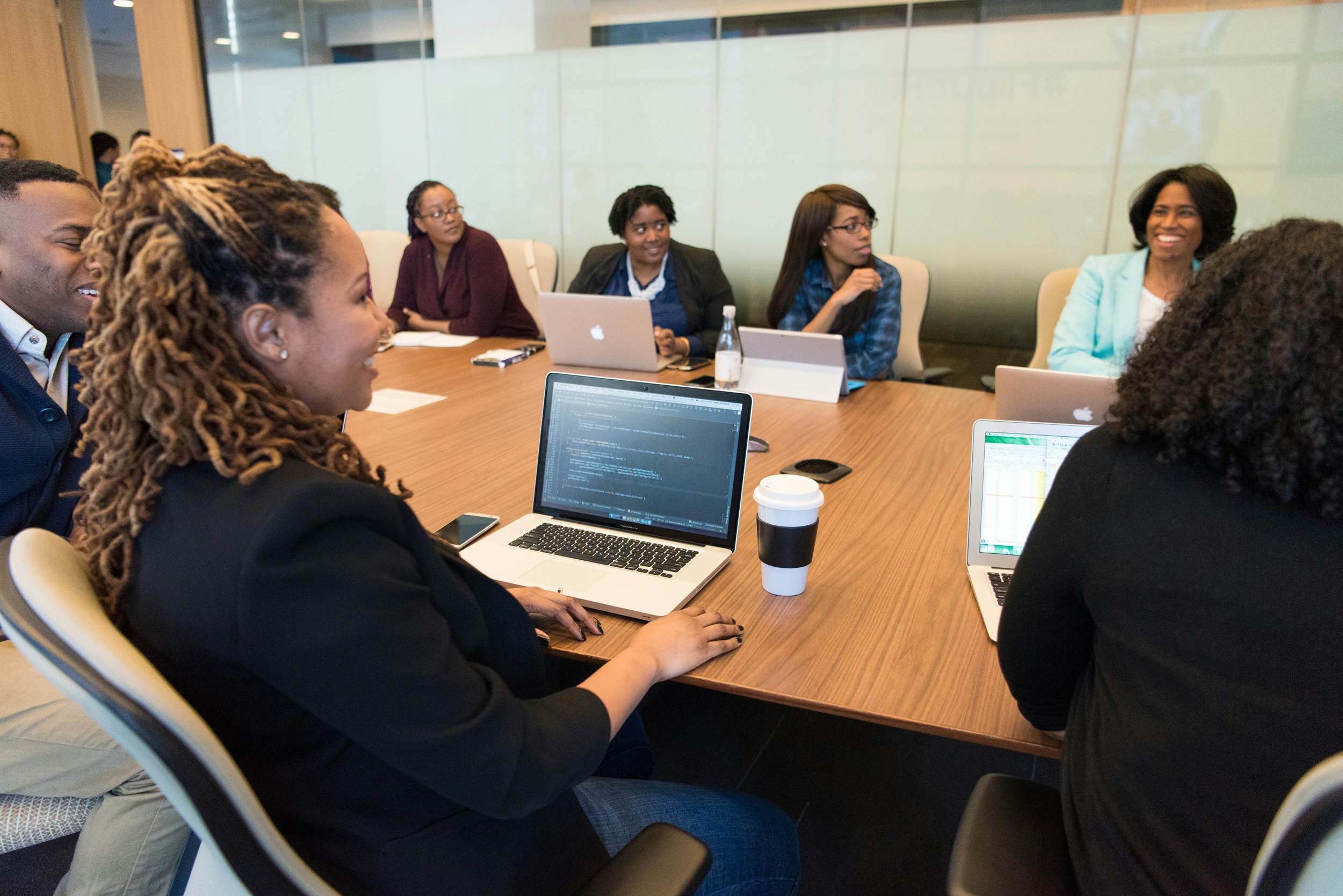
Managing conversations in large groups can often feel overwhelming, even for experienced communicators and leaders. The human brain tends to get easily overloaded when trying to process multiple voices, nonverbal cues, and fast-paced discussions all at once. However, with the right psychological understanding, preparation, and communication techniques, it is possible to engage effectively in large group conversations without stress. This article explores practical strategies for managing such interactions so you can remain composed, confident, and influential.
Understanding the Dynamics of Large Group Conversations
Large group conversations differ significantly from smaller interactions because of the complexity and intensity of the communication flow. Multiple participants speaking simultaneously or in quick succession, coupled with varied opinions and emotions, can create a chaotic environment if not managed well. Recognizing this dynamic helps in adopting a mindful approach to participating and steering conversations.
In large groups, attention is a scarce resource. The brain must filter through auditory and visual stimuli while also processing verbal content. Overwhelm often arises when individuals feel pressured to keep up, contribute meaningfully, or control the conversation flow. Awareness of these challenges is the first step toward minimizing overwhelm.
Preparation: The Key to Confidence
One of the most effective ways to reduce overwhelm in large group conversations is thorough preparation. This includes
- Clarifying Your Objective: Before the meeting or conversation, define what you want to communicate or achieve. Having clear goals helps focus your input.
- Research and Notes: Prepare any necessary information or talking points in advance. Having reference notes can ground your contributions and reduce anxiety about forgetting points.
- Practice Mindfulness: Brief mindfulness exercises before engaging can calm your nervous system and improve concentration.
Active Listening and Its Role
Active listening is crucial in managing conversations successfully. When you listen attentively, you not only understand others better but also position yourself to respond thoughtfully.
Tips for active listening in large groups:
- Focus on one speaker at a time: Avoid trying to catch every voice or detail; instead, prioritize the current speaker to reduce cognitive load.
- Use nonverbal cues: Nod, smile, or make eye contact to demonstrate engagement, which can also regulate the flow of conversation.
- Summarize or paraphrase: When appropriate, briefly restate what someone has said to confirm understanding and clarify points.
Managing Speaking Turns with Grace
Dominating or getting lost in conversations can both increase overwhelm. Learning to manage speaking turns strategically ensures your voice is heard without causing tension or stress.
Effective speaking turn management includes:
- Waiting patiently: Allow others to finish before contributing. Use brief pauses to signal your intention to speak.
- Using polite interruptions: If necessary, interject respectfully by saying phrases like, “May I add something here?” or “I’d like to share a quick thought.”
- Setting boundaries: When conversations become too chaotic, suggest structured turn-taking or using a facilitator for order.
Harnessing Body Language and Presence
Your nonverbal communication can significantly influence how you manage group conversations. Projecting calm, openness, and attentiveness can encourage balanced dialogue.
- Maintain open posture: Avoid crossed arms or distracted gestures; stay relaxed and approachable.
- Eye contact: Connect visually with speakers and listeners to build rapport and show involvement.
- Use gestures thoughtfully: Hand movements can emphasize points but should not distract or overwhelm others.
Emotional Regulation and Stress Management
Large group conversations can trigger anxiety or overstimulation. Developing emotional regulation skills helps maintain composure and thoughtful engagement.
- Breathing techniques: Deep, slow breaths can reduce stress and help regain focus during intense discussions.
- Self-awareness: Recognize your emotional triggers and use mental reminders to stay calm.
- Taking mental breaks: If overwhelmed, briefly shift your attention or excuse yourself to regroup.
Leading and Facilitating Large Group Conversations
For those in leadership roles, managing group discussions goes beyond participation. It requires guiding the conversation to keep it productive and inclusive.
Leadership approaches include:
- Setting clear agendas: Outline topics and time limits at the start to provide structure.
- Encouraging diverse voices: Invite quieter participants to share perspectives to balance dominant voices.
- Summarizing key points: Regularly paraphrase or recapitulate to maintain clarity and focus.
- Using facilitation tools: Apply techniques like round robin sharing, digital timers, or hand signals to manage interactions smoothly.
Practical Tips for Virtual and In-Person Settings
Virtual: Use features like muting/unmuting, chat boxes for questions, and breakout rooms to organize conversation flow and avoid chaos.
In-Person: Encourage face-to-face engagement with seating arrangements that facilitate eye contact and ensure all voices can be heard.
Conclusion
Managing conversations in large groups without feeling overwhelmed is an attainable skill that combines preparation, active listening, emotional control, and strategic communication. Whether you are a team member, leader, or host, applying these strategies will help you engage more confidently and effectively, turning challenging group discussions into opportunities for connection and influence.